
Expert Advice: Choosing Between Block Paving and Resin Bound Surfaces
PP
Understanding Block Paving
When it comes to choosing a surface for your driveway or patio, block paving is a popular option. This method involves using individual blocks or bricks to create a durable and aesthetically pleasing surface. One of the main advantages of block paving is its versatility in design. You can choose from a wide variety of colors, shapes, and patterns to match your personal style or the architectural design of your home.
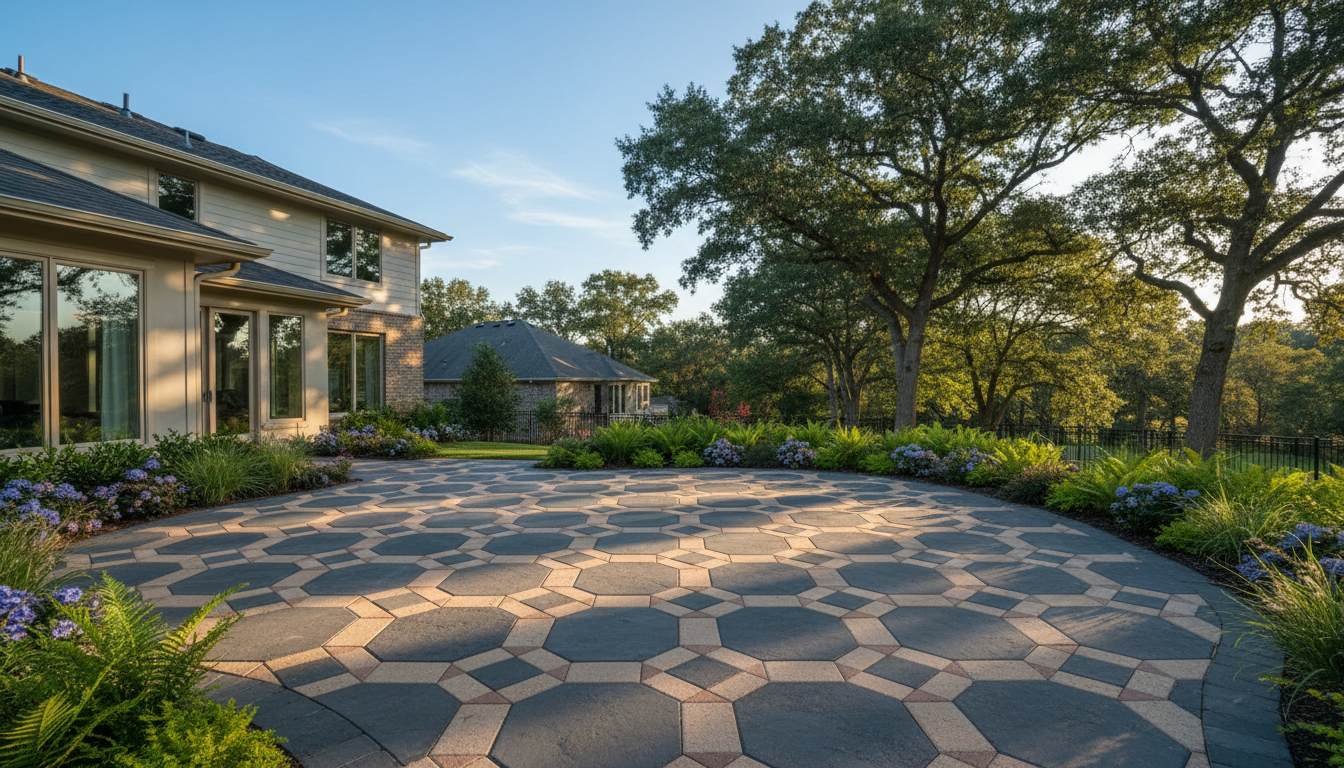
Block paving is also known for its durability. It can withstand heavy loads, making it ideal for driveways and other high-traffic areas. Additionally, if a block gets damaged, it can be easily replaced without disturbing the surrounding area. This makes maintenance relatively straightforward compared to other surfaces.
Advantages and Disadvantages of Block Paving
While block paving offers numerous benefits, it's essential to consider its downsides. One potential issue is the growth of weeds or moss between the blocks, which can require regular maintenance. Additionally, block paving can be more expensive initially compared to other surface options.
- Pros: Versatile designs, durability, easy maintenance.
- Cons: Potential weed growth, higher initial cost.
Exploring Resin Bound Surfaces
Resin bound surfaces are another excellent option for driveways and patios. This method involves mixing resin with aggregates to create a smooth, permeable surface. One of the biggest benefits of resin bound surfaces is their permeability. They allow water to drain through, reducing the risk of puddles and contributing to a more environmentally friendly solution.
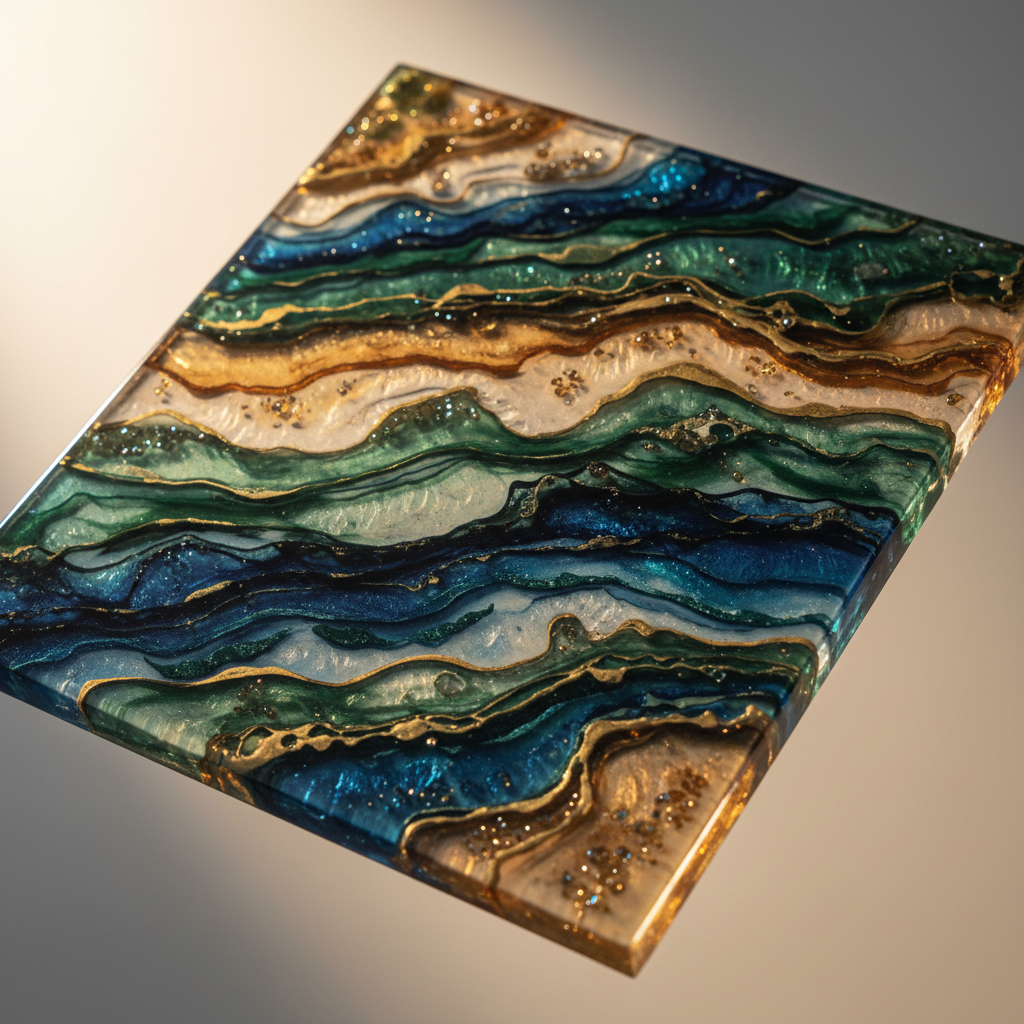
Additionally, resin bound surfaces offer a sleek and modern appearance. They are available in a variety of colors and textures, allowing you to customize the look to suit your taste. The finish is smooth, making it a comfortable choice for walking and driving.
Advantages and Disadvantages of Resin Bound Surfaces
Despite their many benefits, resin bound surfaces also have a few drawbacks. They can be sensitive to UV rays, which may cause discoloration over time if not properly treated. Additionally, while they are lower in maintenance compared to block paving, they can be more challenging to repair if damaged.
- Pros: Permeability, modern appearance, low maintenance.
- Cons: UV sensitivity, repair challenges.
Making the Right Choice for Your Property
Deciding between block paving and resin bound surfaces depends on several factors, including your budget, aesthetic preferences, and maintenance willingness. If you value design flexibility and ease of replacement, block paving might be the right choice. On the other hand, if you prioritize a sleek look and environmental benefits, a resin bound surface could be more suitable.
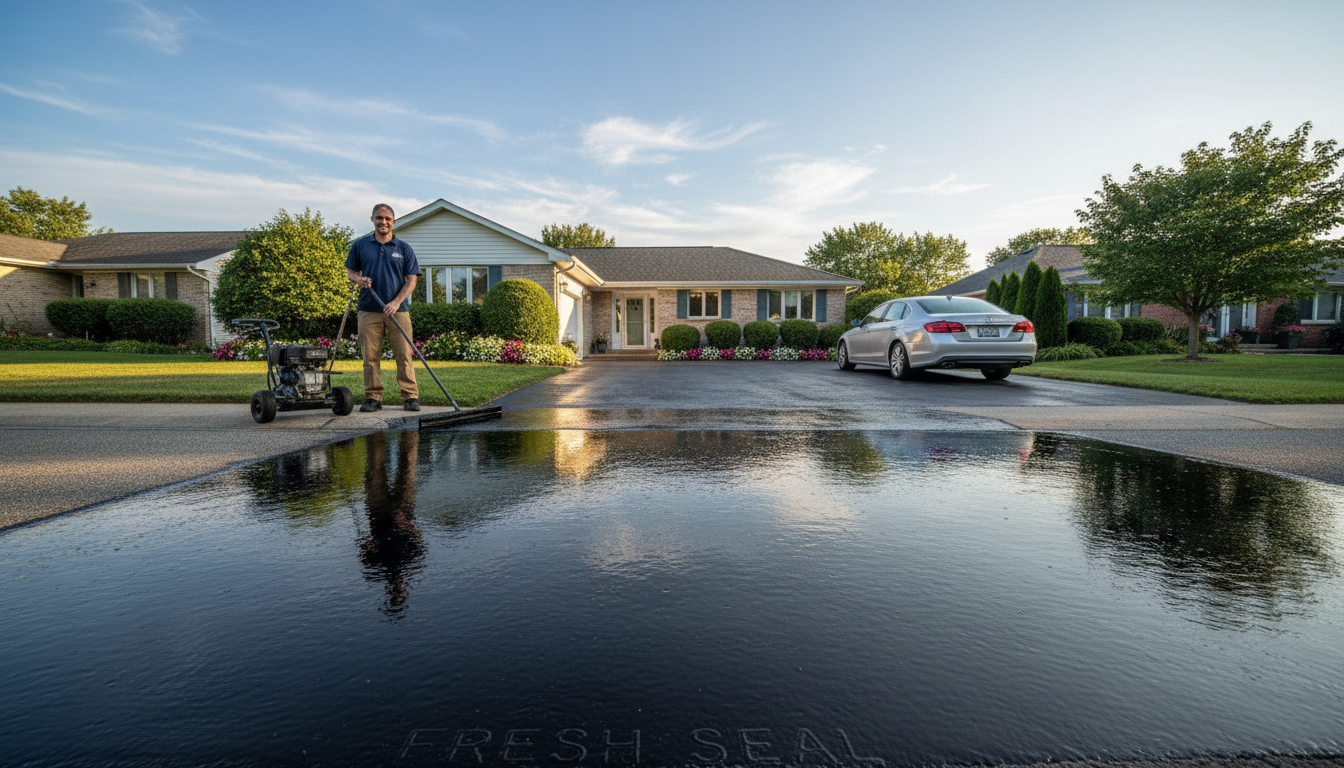
Before making a decision, it's wise to consult with a professional. They can provide expert advice tailored to your specific needs and help you weigh the pros and cons of each option. Ultimately, the right choice will depend on your unique situation and preferences.